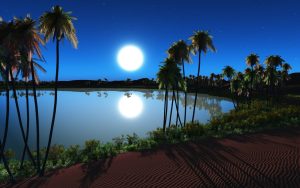
An oasis is a fertile spot in a desert where water is available, enabling the growth of vegetation. It can also symbolize a source of comfort or respite.
For individuals feeling adrift and uncertain of their life’s path, enduring shame, suffering, and witnessing the success of others while feeling stuck can resemble traversing a desert.
Benefits of Oasis
Oases are of great economic importance, contributing greatly to the lifestyle of the people around.
The desert is more than just a barren region with harsh climatic conditions. It’s also a phase of life where you have little control over your surroundings, including the country’s GDP, rising prices, housing affordability, and income stability.
In ecology, an oasis is a fertile area in a desert or semi-desert that supports plant life and animals. It may have surface water or rely on wells or underground channels. Geographically, an oasis might be a rest stop on a route or a less-verdant place with access to underground water through deep wells. While they depend on natural conditions like water, most oases as we know them are man-made.
Oases are naturally occurring formations resulting from specific geological and climatic conditions. They are commonly found in desert areas where underground water, from sources like aquifers or springs, emerges at the surface. The creation of oases is influenced by a harmonious blend of nature’s laws and the nurturing of a creative spirit.
Here are some key factors that contribute to the formation of oases:
Geological Activity: Movements in the Earth’s crust can create cracks and faults that allow water to rise to the surface.
Aquifers: Underground layers of water-bearing rock or sediment can store and transport water to the surface.
Rainfall and Runoff: In some cases, occasional rainfall or runoff from nearby mountains can contribute to the water supply of an oasis.
Human Intervention: Ancient civilizations have often enhanced natural oases by digging wells, constructing irrigation systems, and planting vegetation to sustain the water supply.
Becoming the Son of God: Spirit-controlled temperaments can lead to leadership qualities that turn one into a problem solver, creating a healthy and economically friendly environment.
Who defines an Oasis?
The oasis, beautiful experience in a desert, true source of hope.
The truest form of an oasis is a person who can cultivate prosperity from despair. Such individuals are not oases simply because they construct wells in deserts; rather, they are wells crafted by God, becoming fountains of hope and rejuvenation, capable of revitalizing what was once barren.
To learn more about oases, follow this site for more posts.