
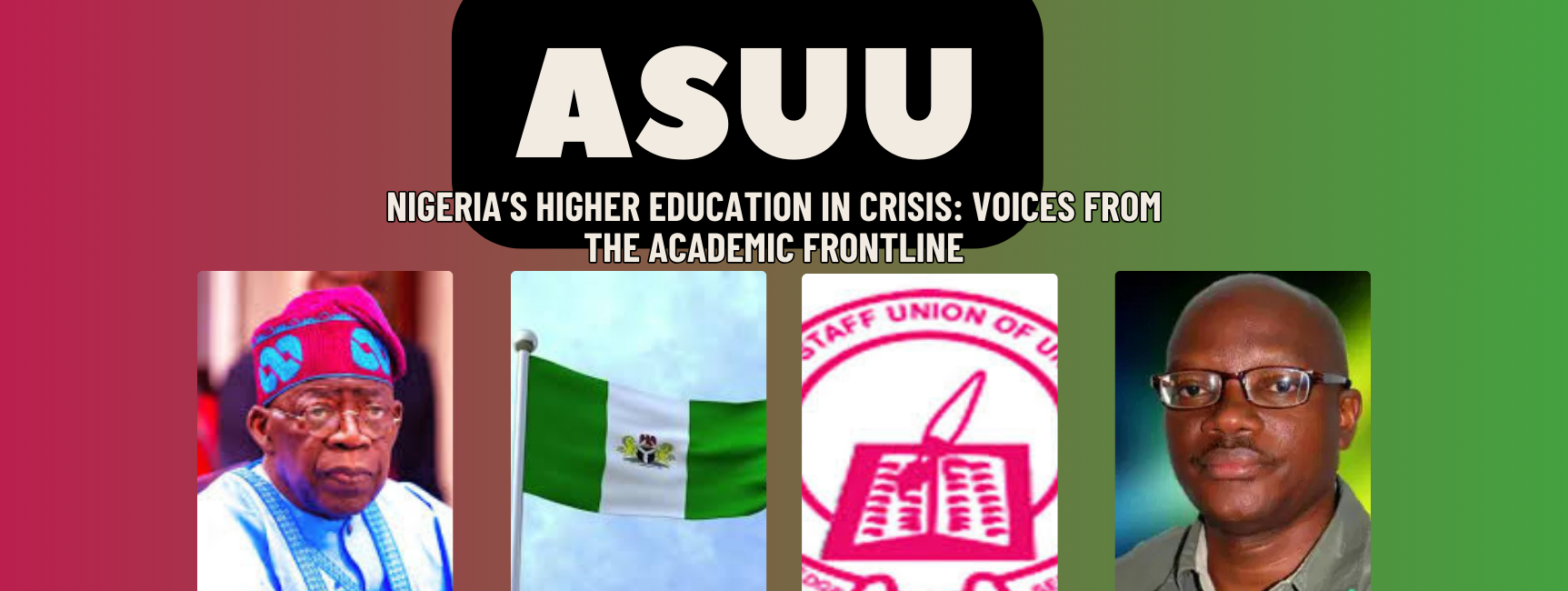
In his first public address, Professor Piwuna didn’t sugarcoat the truth. Instead, he chose to shine a painful but necessary light on the state of Nigeria’s education sector—particularly our universities. His words were less about formality and more about the urgency of a system on the edge, a system that many have watched crumble in slow motion.
With a tone that blended frustration and deep concern, Prof. Piwuna lamented the erosion of transparency and accountability in Nigeria’s leadership. It’s not a new song, but the notes have become more desperate. According to him, education has become one of the many promises that governments—both federal and state—make without meaning to keep. The welfare of academics, who are the backbone of higher education, is treated like an afterthought.
He called out the government’s failure to finalize the renegotiation of the 2009 FGN/ASUU Agreement, a process that has dragged painfully from 2017 to now. Imagine discussing a single contract for over a decade. That’s the reality Nigeria’s academic community has been forced to endure.
While there have been flickers of progress, many critical issues remain unresolved:
-
The full renegotiation and signing of the 2009 Agreement, based on the recommendations of the Nimi Briggs Committee, is still pending.
-
Withheld salaries from the 2022 strike remain unpaid, further demoralizing a workforce already stretched thin.
-
Sabbatical and adjunct staff are yet to receive earned salaries, largely due to complications with the IPPIS payroll system—a system many see as flawed and insensitive to the peculiarities of academic work.
-
Third-party deductions and Earned Academic Allowances (EAA) haven’t been released, creating financial and emotional strain for many lecturers.
What Prof. Piwuna said was more than a briefing—it was a cry for help, a challenge to those in power to stop playing politics with the future of education. His words remind us that the fight for a better Nigeria starts in our classrooms, and it starts by treating our educators with the respect they deserve.
